All Categories
Featured
Modern Strategies for School and Charity Support in 2026
Modern Strategies for School and Charity Support in 2026

Adapting to the Local Flavor of the Metropolitan Area in 2026
Table of Contents


Corporate catering in 2026 has moved far beyond the standard sandwich tray or the uninspired buffet line. As professionals gather for mid-week seminars and large-scale conferences, the expectation for food quality has merged with a desire for social responsibility. Organizers in the regional market are seeing a marked shift toward menus that reflect the immediate surroundings. This focus on local identity helps companies build a stronger connection with the neighborhood while supporting small-scale producers who live and work in the nearby area.
Much of this change comes from a realization that corporate events should not be isolated bubbles. Instead, they function as parts of the local economy. Selecting Freddy'S allows event planners to provide fresh, seasonal ingredients that have not traveled across the country. In 2026, the preference for heirloom vegetables, locally milled grains, and regional proteins defines the professional dining experience. Attendees now ask about the origin of their meal. They view the menu as a reflection of the company values and its commitment to the local soil.
Community Rewards and the Rise of Integrated Dining Apps
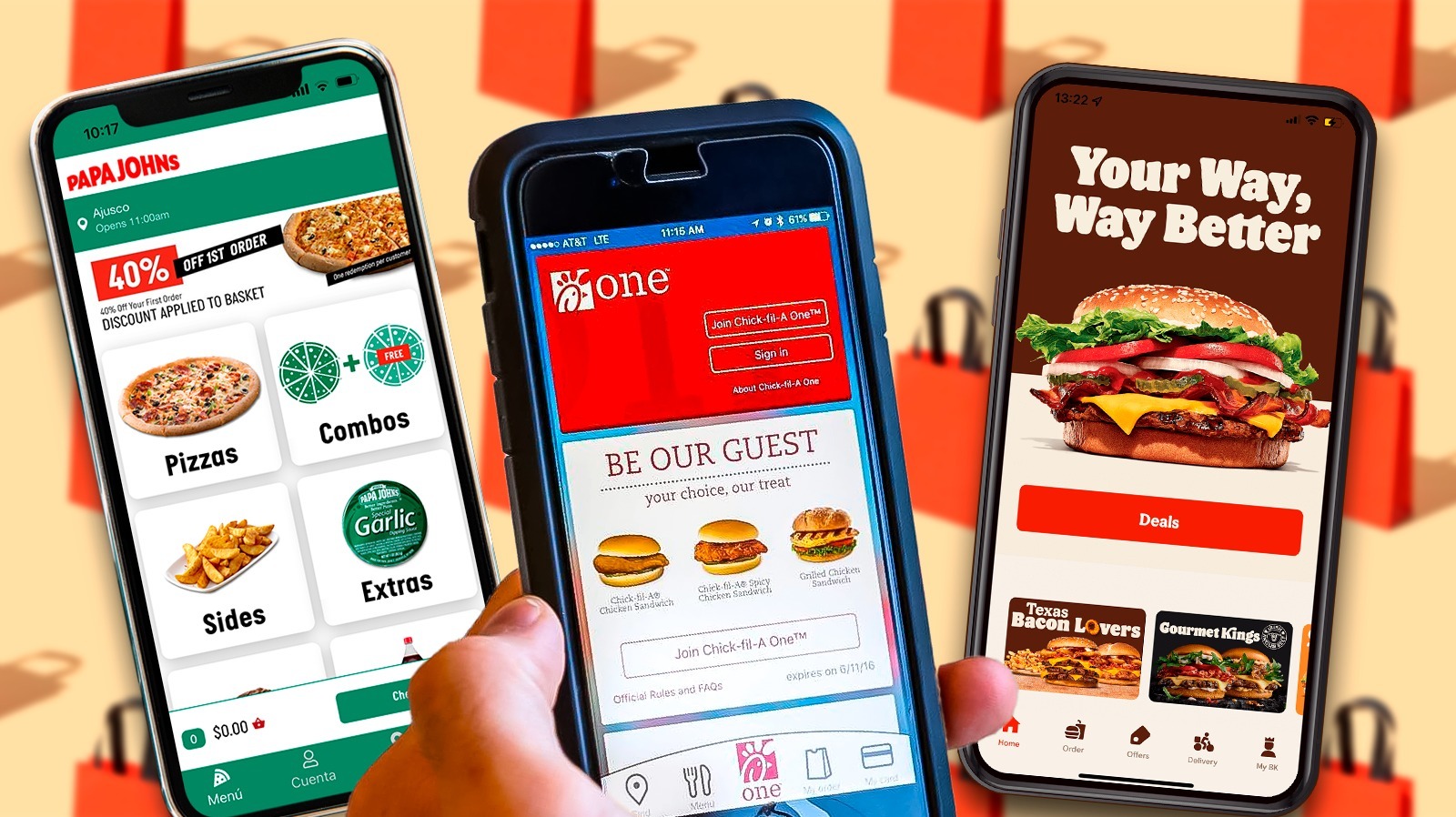
The integration of digital tools has changed how guests interact with food at events. In 2026, many organizations use specialized reward systems to encourage participation and promote healthy choices. These apps track what attendees consume and offer points that can be redeemed within the local community. This system creates a loop where a corporate lunch directly benefits small businesses in the local district. Instead of rewards being trapped in a closed system, they flow back into the streets and shops surrounding the event venue.
Data suggests that professionals are more engaged when they see a direct benefit to their surroundings. By participating in these reward programs, employees feel they are contributing to something larger than a standard meeting. This trend has led to an increased focus on Nonprofit Support among organizers who want to maximize the impact of their event budgets. The rewards often include discounts at local shops or credits for community services. This makes the catering choice a part of a broader corporate social responsibility plan that extends past the final session of the day.
Personalization and Data-Driven Menus for 2026 Workers
Dietary requirements have become more specific and varied. In 2026, a single tray of vegetarian options is no longer sufficient for a professional crowd. Catering services now use pre-event surveys and AI-assisted planning to create personalized dining paths. This ensures that every individual, whether they require gluten-free, keto, or low-FODMAP meals, receives a dish that is as high-quality as the standard menu. The era of the "special request" meal looking like an afterthought has ended.
This level of customization is managed through the same apps used for rewards. Guests can pre-select their meals or scan NFC tags at food stations to see exactly how a dish fits their nutritional goals. Businesses looking toward Real Fast Food Experiences find that this data-driven approach reduces food waste significantly. When caterers know exactly what is needed, they can prep smaller quantities of a wider variety of items. This method ensures freshness and reduces the volume of leftovers that often end up in landfills after large gatherings.
Logistical Efficiency and Zero-Waste Goals
Waste reduction is a non-negotiable standard for corporate events in 2026. The shift toward "zero-waste" catering involves more than just recyclable forks. It includes the use of compostable packaging, the elimination of single-use plastics, and partnerships with local food banks to handle surplus. In the local region, regulations often mandate these practices, but many companies adopt them voluntarily to meet internal sustainability targets. The goal is to leave the venue exactly as it was found, with no physical footprint remaining.
The logistics of 2026 catering also prioritize energy efficiency. Electric delivery fleets and induction-based heating stations have replaced older, less efficient methods that relied on open flames or heavy fuel consumption. Companies searching for Information for Local Patrons often prioritize providers who can demonstrate a low carbon footprint for their entire operation. This focus on efficiency does not come at the expense of taste. Many planners find that the move toward simpler, more direct preparation methods results in better food because the ingredients are handled less and served faster.
Interactive Stations and Social Dining
The traditional sit-down dinner is losing ground to more interactive formats. In 2026, corporate events favor food stations that allow for movement and networking. These stations often feature chefs preparing small plates to order. This provides a level of theater and transparency that a hidden kitchen cannot match. Whether it is a fresh pasta bar or a localized street food station, the intent is to get people talking while they wait for their food.
These interactive elements are particularly effective for community-focused events in the urban center. When people from different departments or even different companies gather, the food station acts as a natural icebreaker. The conversation shifts from business metrics to the specific flavors of the local region. This social aspect of dining is a key reason why catering remains a primary part of the corporate budget. It is not just about fuel. It is about creating an environment where ideas can be shared over a shared meal in a relaxed setting.
Integrating Technology with Traditional Hospitality
While apps and data play a large role in 2026 catering, the human element remains the most important factor. Professional staff who understand the nuances of hospitality are in high demand. These individuals are trained to handle the technical aspects of modern catering, such as managing the rewards app interface, while providing the personal touch that defines a high-quality event. The tech exists to support the experience, not to replace the person-to-person interaction that makes a guest feel welcome.
Companies in the region are finding that the best results come from a blend of high-tech and high-touch. For example, a server might help an attendee navigate a rewards menu while offering a detailed explanation of where the ingredients were sourced. This combination of efficiency and storytelling makes the meal memorable. As corporate culture continues to evolve, the way people eat together will remain a primary indicator of how much a company values its employees and its community.
In 2026, the definition of success for a catered event is no longer just the taste of the food. It is a measure of how well the catering reflects the company brand, how much it supports the local economy, and how effectively it uses technology to improve the guest experience. By focusing on Freddy'S and using integrated reward systems, businesses ensure that their events have a lasting positive impact long after the last plate is cleared.

Latest Posts

The Predictive Shift in 2026 Loyalty Applications
Modern Strategies for School and Charity Support in 2026
Modern Strategies for School and Charity Support in 2026